
Beekeeping Skills and Enterprise
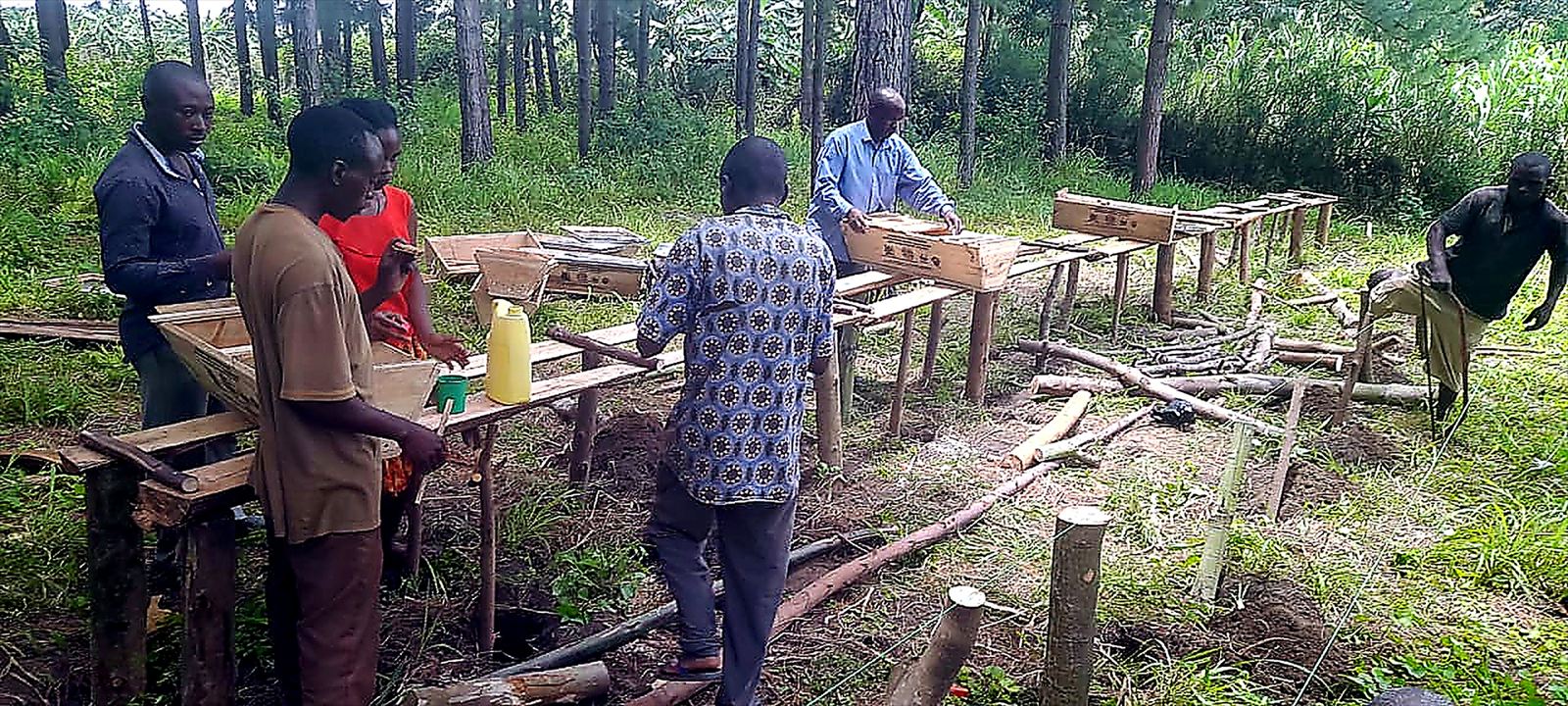
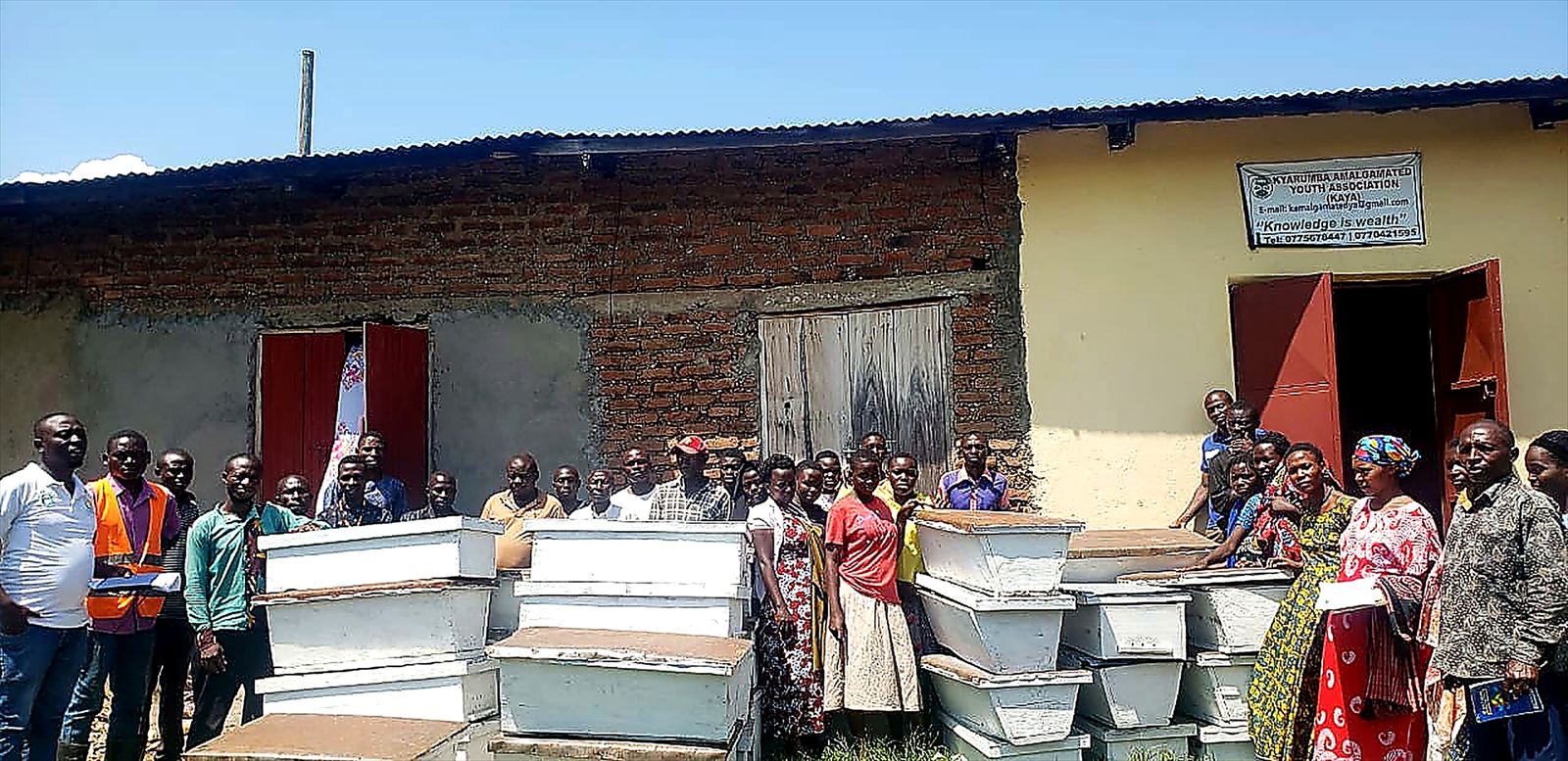
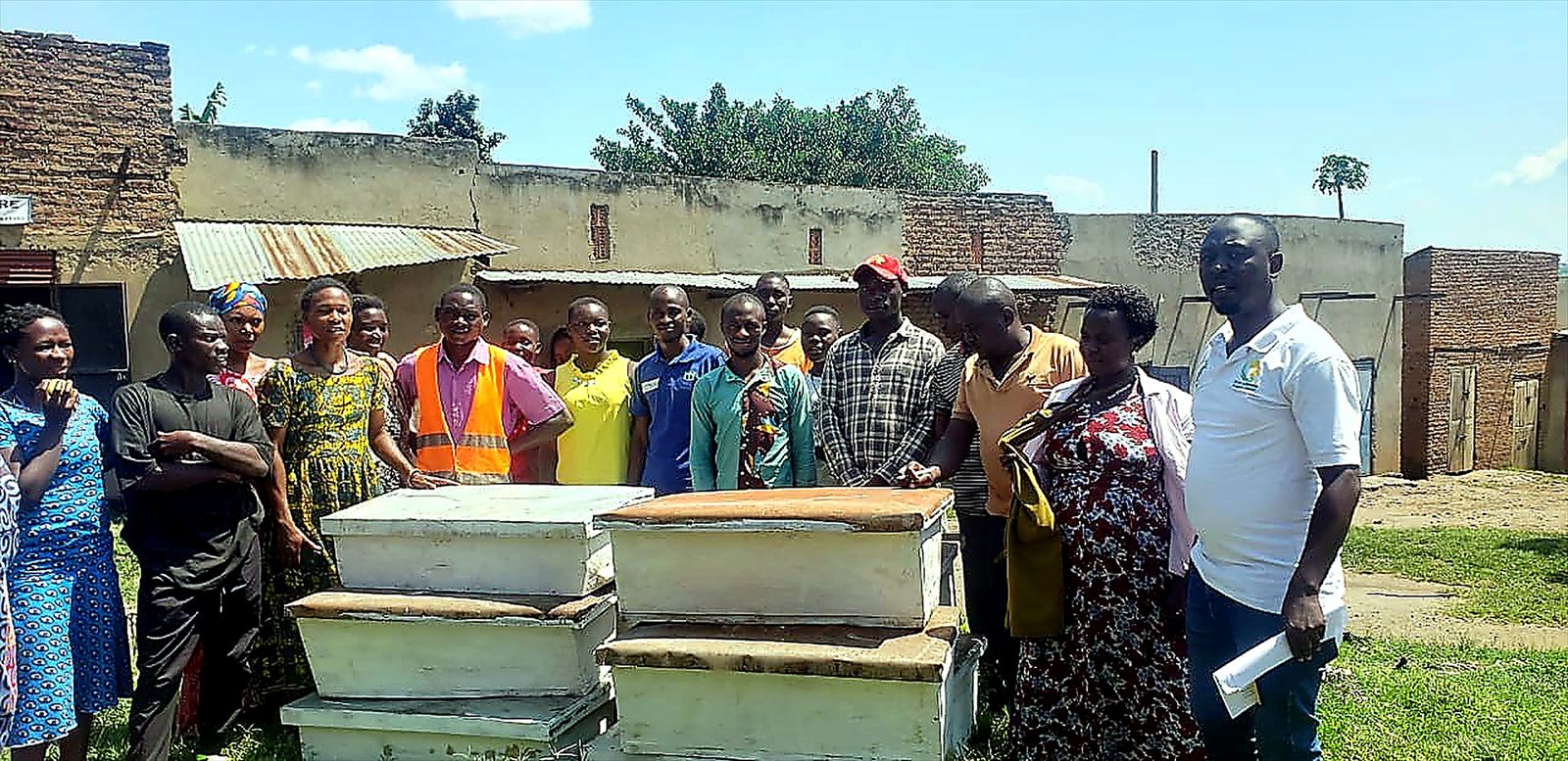
Participants receive practical guidance on preparing and setting up an apiary. Beekeeping equipment has been distributed to youth and women to support beekeeping as an alternative income-generating activity.
Our work is organised around four core pillars. Choose a pillar to see its projects and activities.
We support young people in rural communities to develop practical skills, explore income-generating opportunities and take part in local development. Through hands-on training and community engagement, we aim to strengthen young people's ability to apply their skills and build sustainable livelihoods.
Participants receive practical guidance on preparing and setting up an apiary. Beekeeping equipment has been distributed to youth and women to support beekeeping as an alternative income-generating activity.
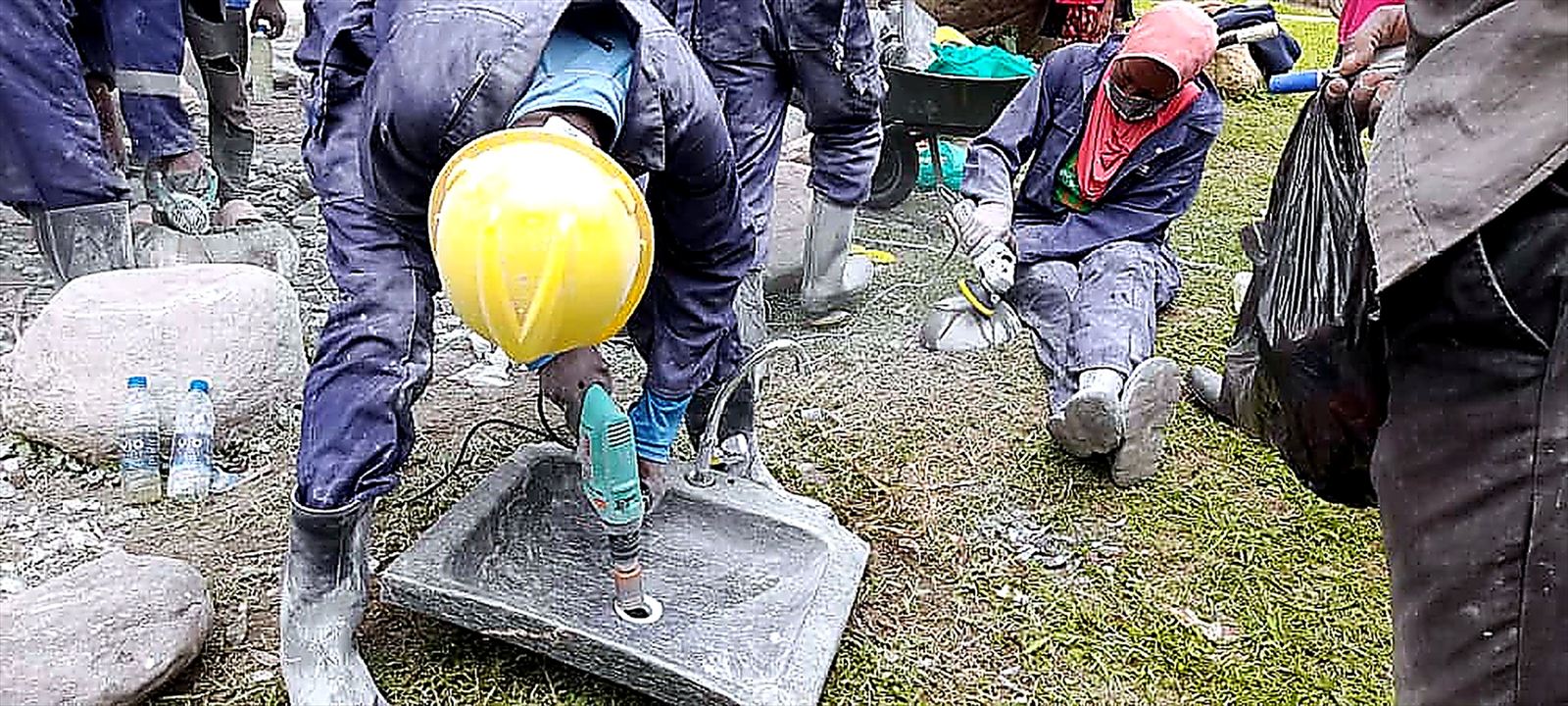
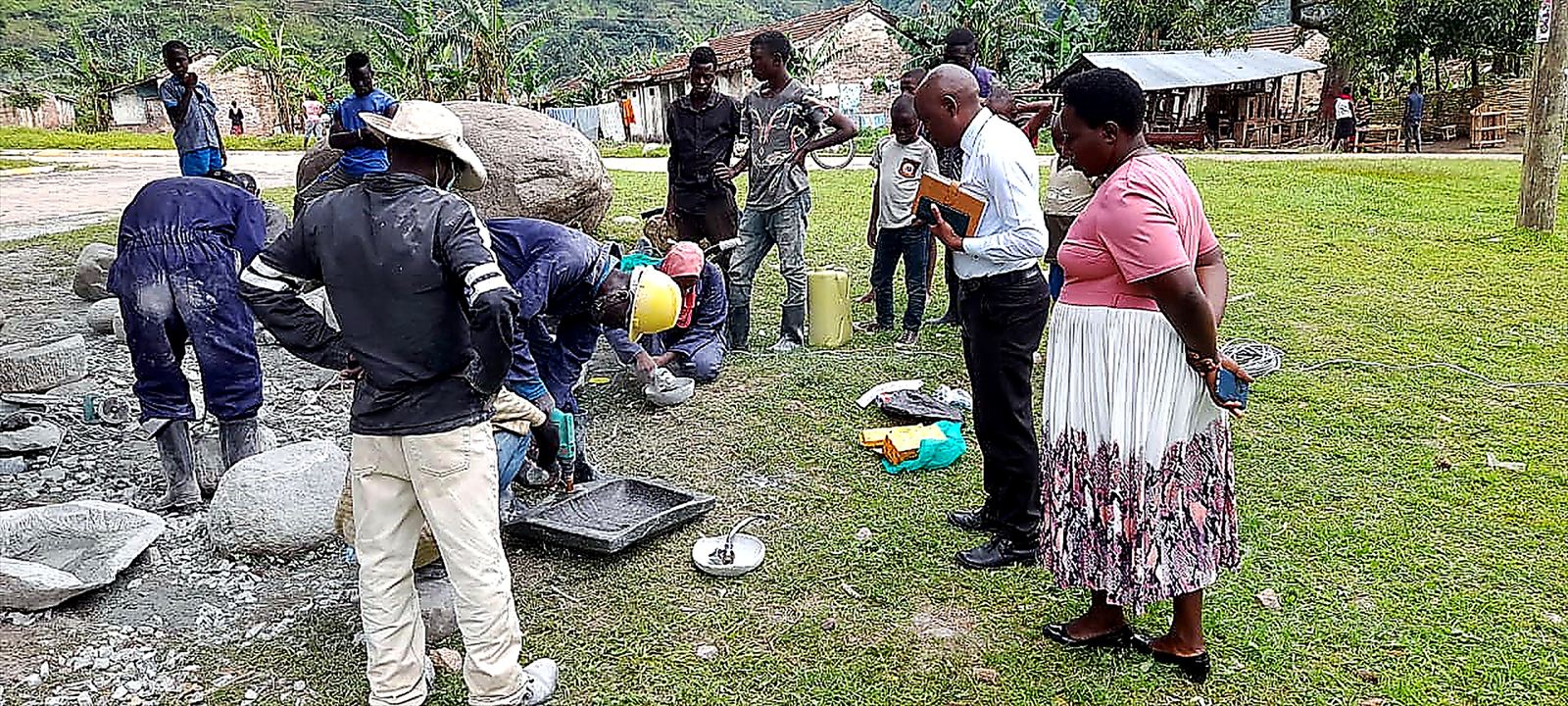
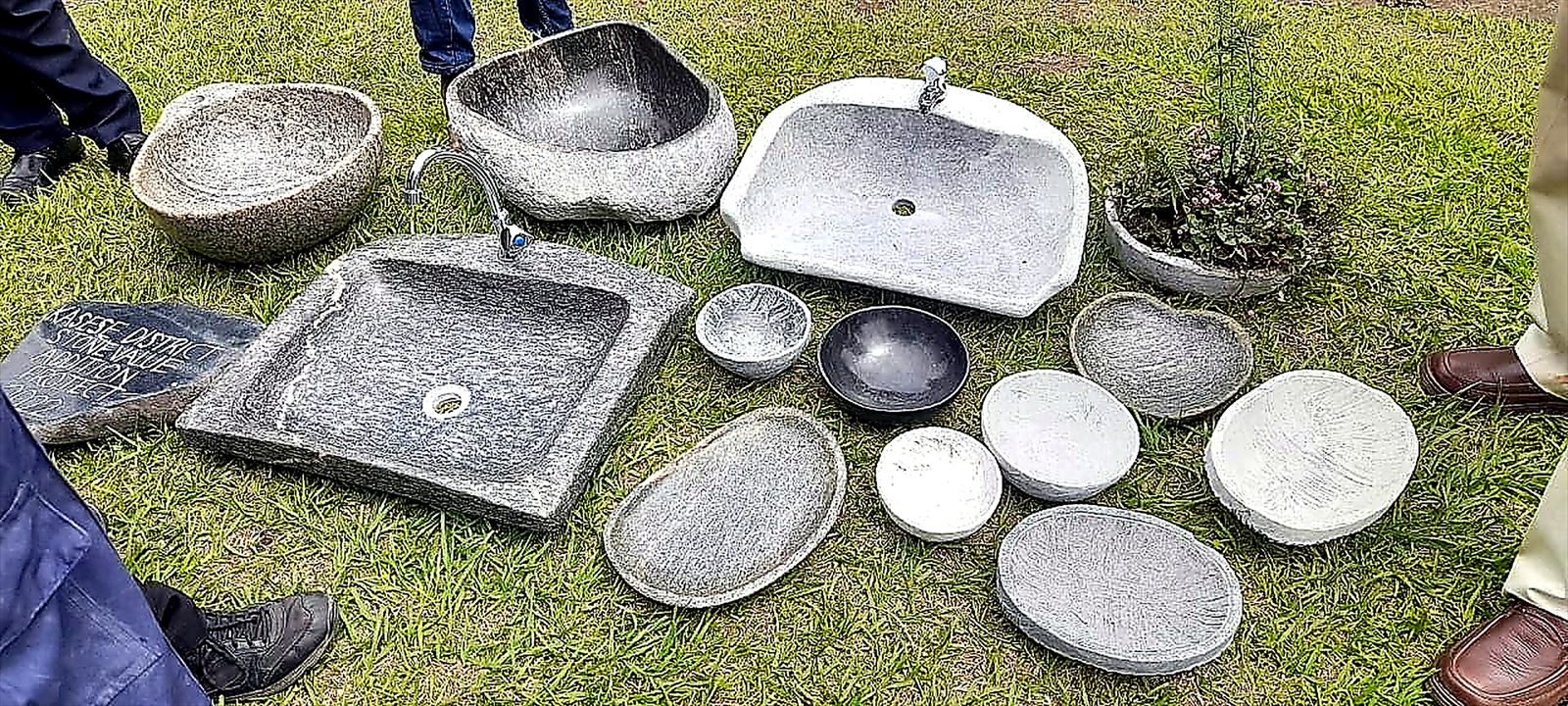
Young people receive hands-on training in stone development and crafting, learning techniques for producing useful finished items. Finished stone products made by participants have been reviewed by our field team.
We support women in rural communities to strengthen their livelihoods, develop practical skills and pursue economic opportunities. Our work includes community engagement, skills development and support for income-generating activities that can contribute to women's economic participation.
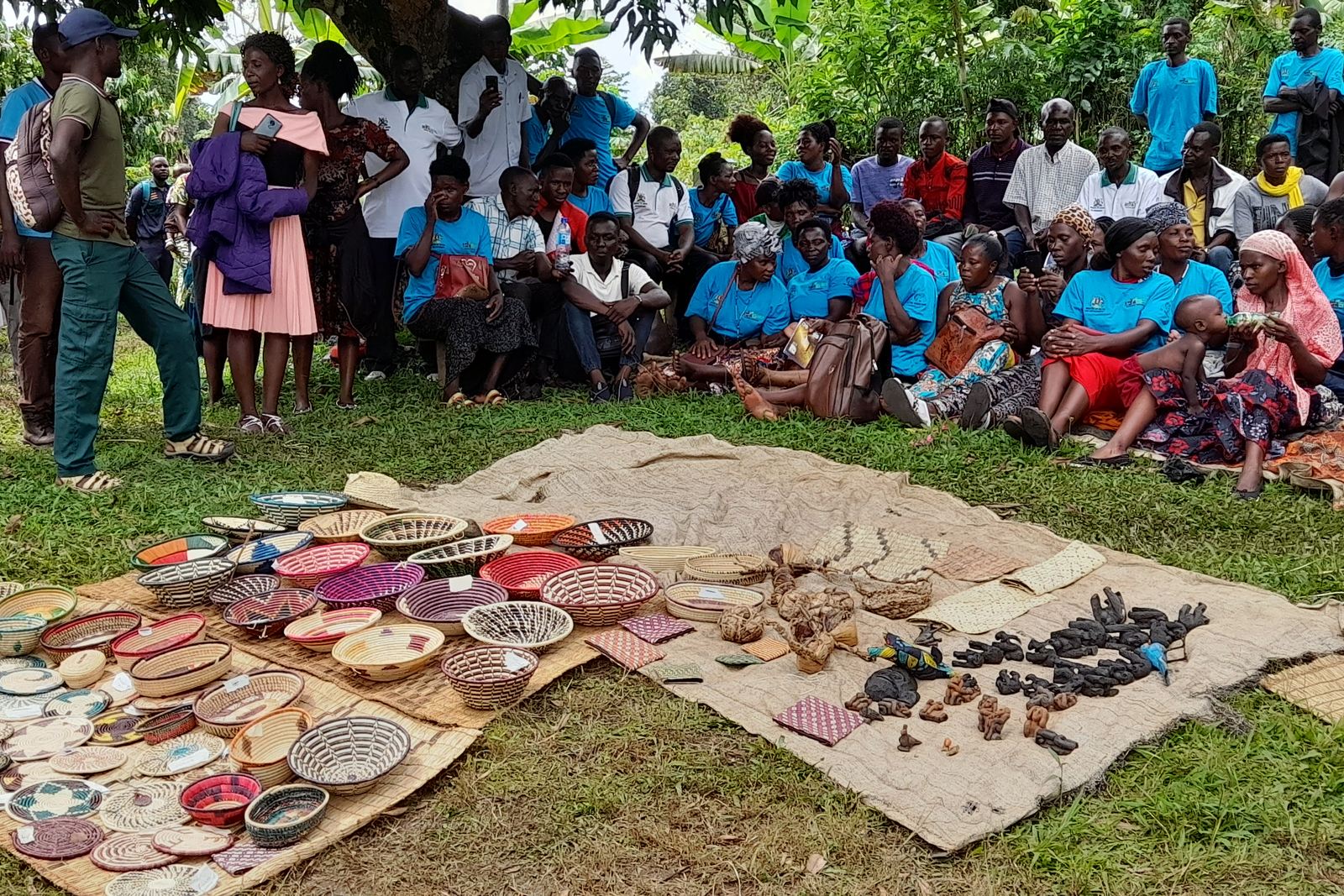
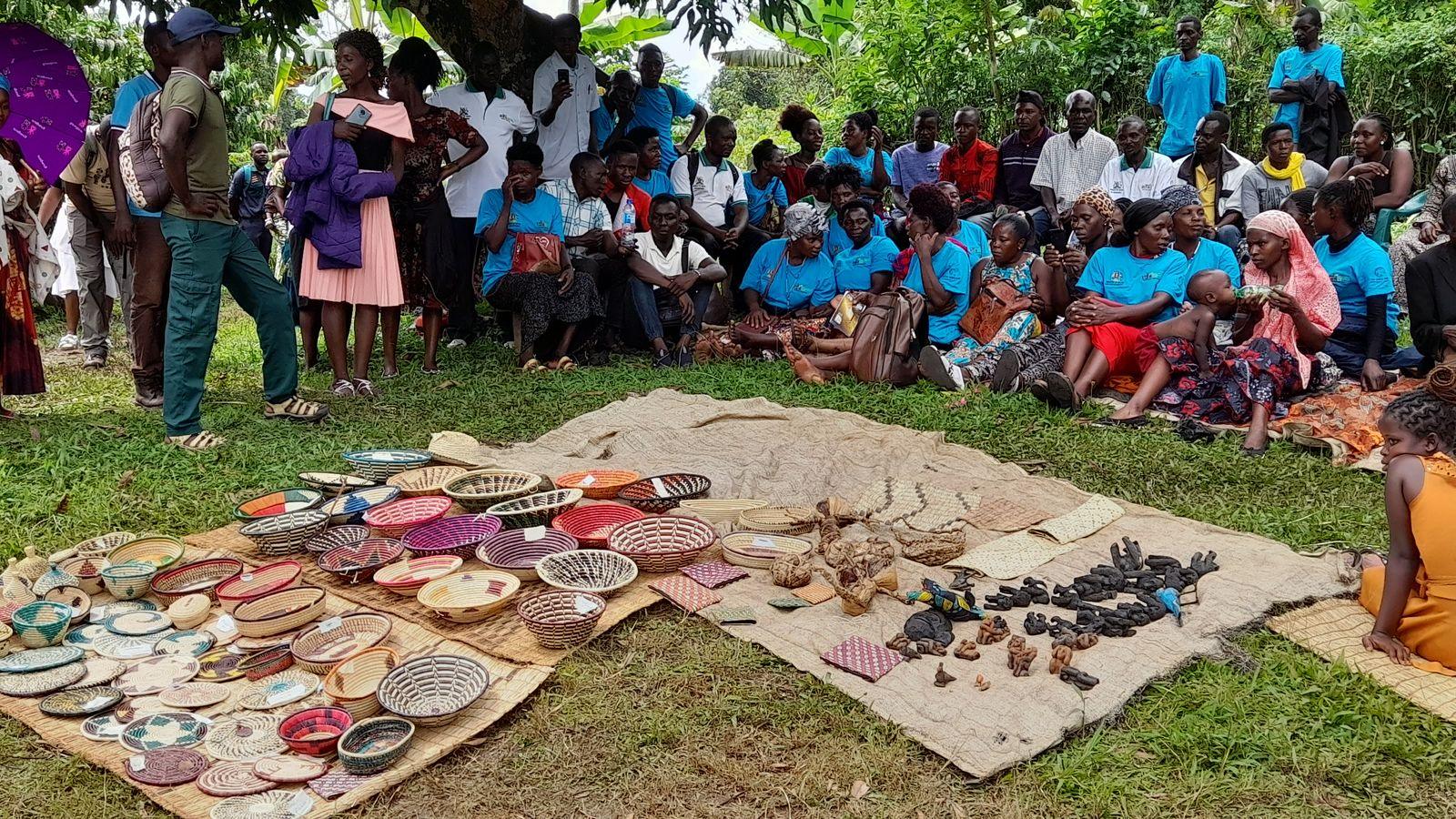
Women in the communities we work with make woven baskets and crafts, displayed at community gatherings and through a community enterprise group. Women are also among the youth and women who received beekeeping equipment to support an alternative source of income.
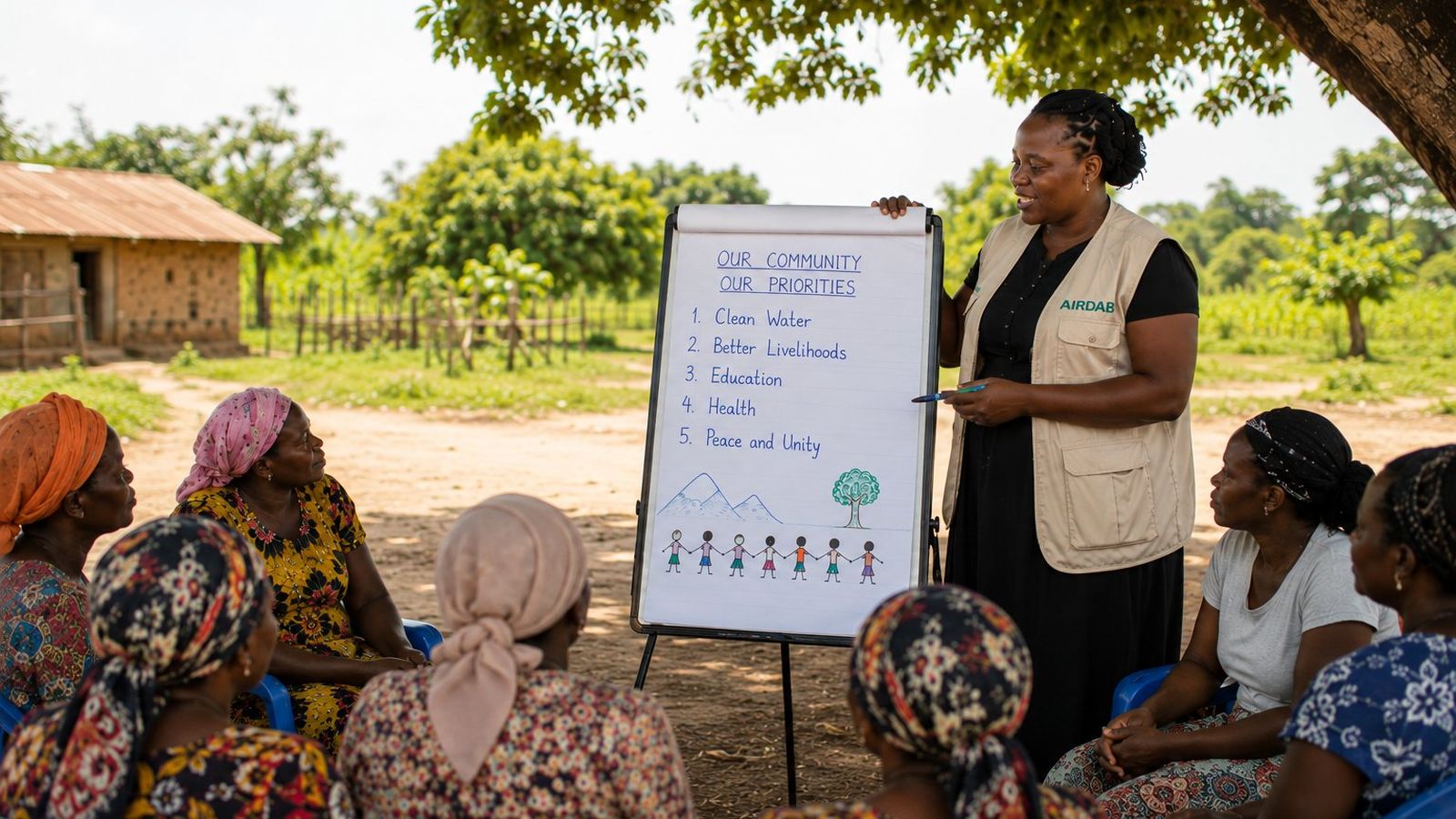
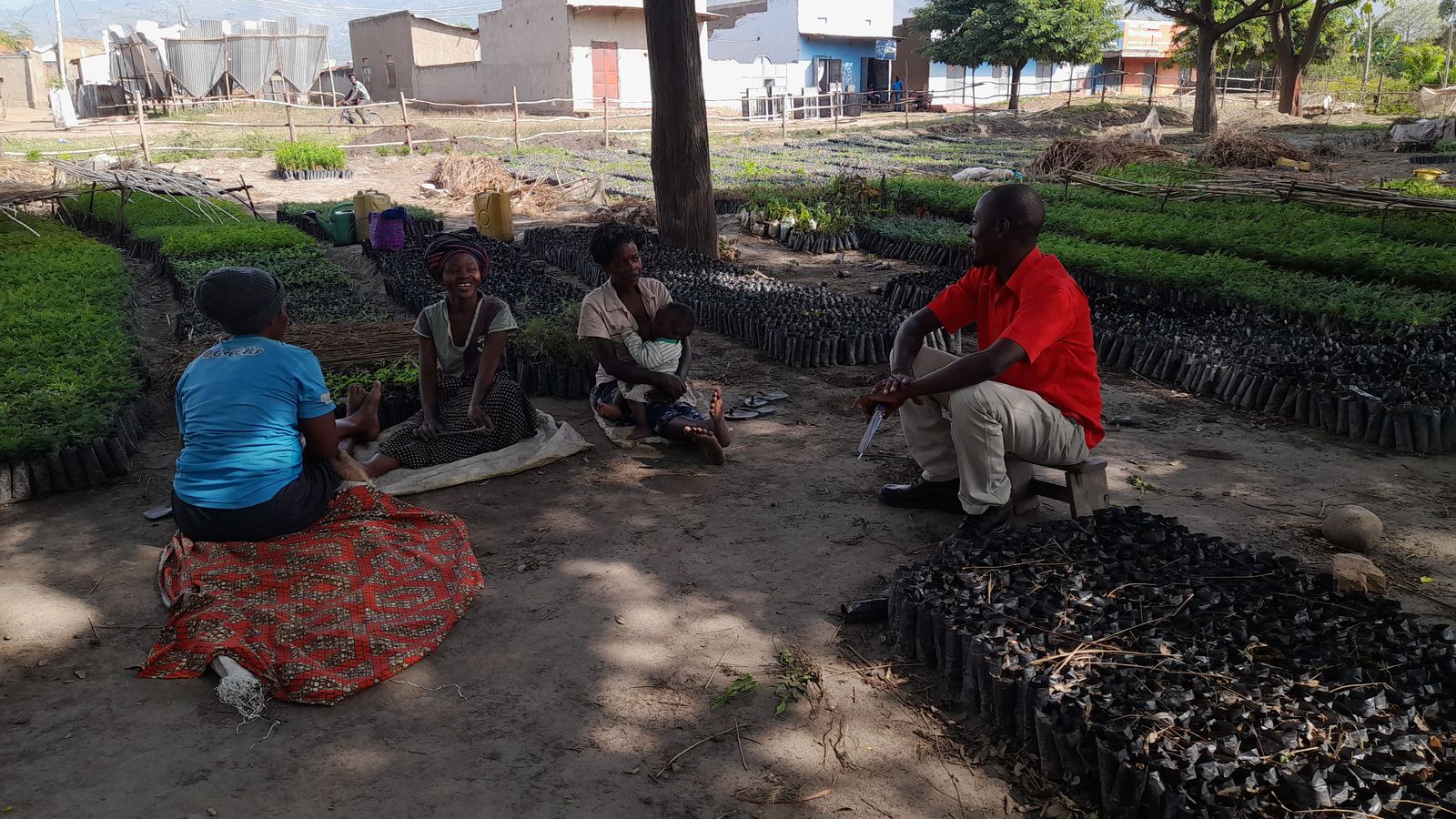
Women take part in community meetings and learning activities, including discussions of community priorities and practical sessions at community tree nurseries.
We promote practical approaches to environmental conservation, biodiversity protection and the sustainable use of natural resources. We engage communities in conservation-related activities and explore approaches that connect environmental responsibility with improved rural livelihoods.
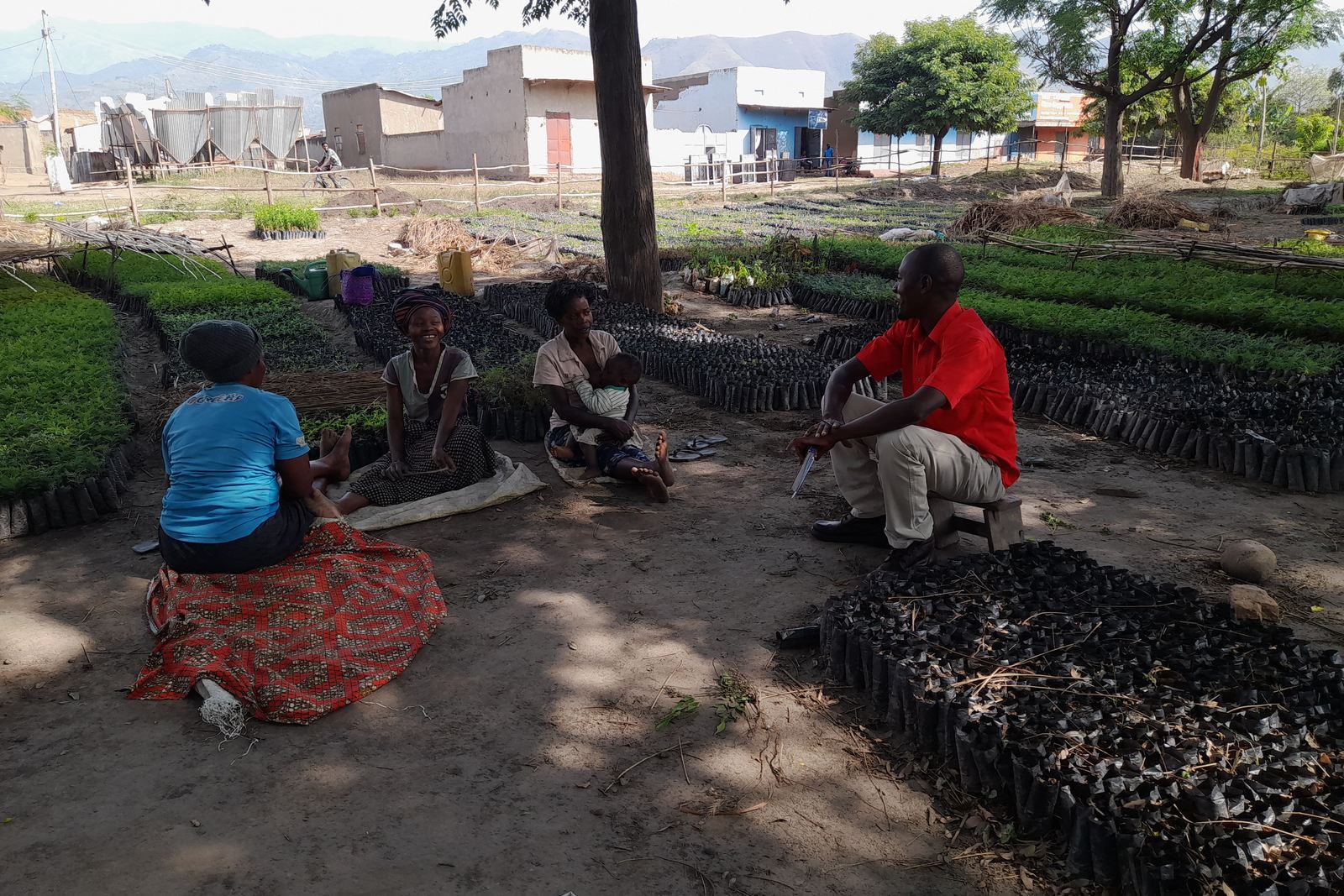
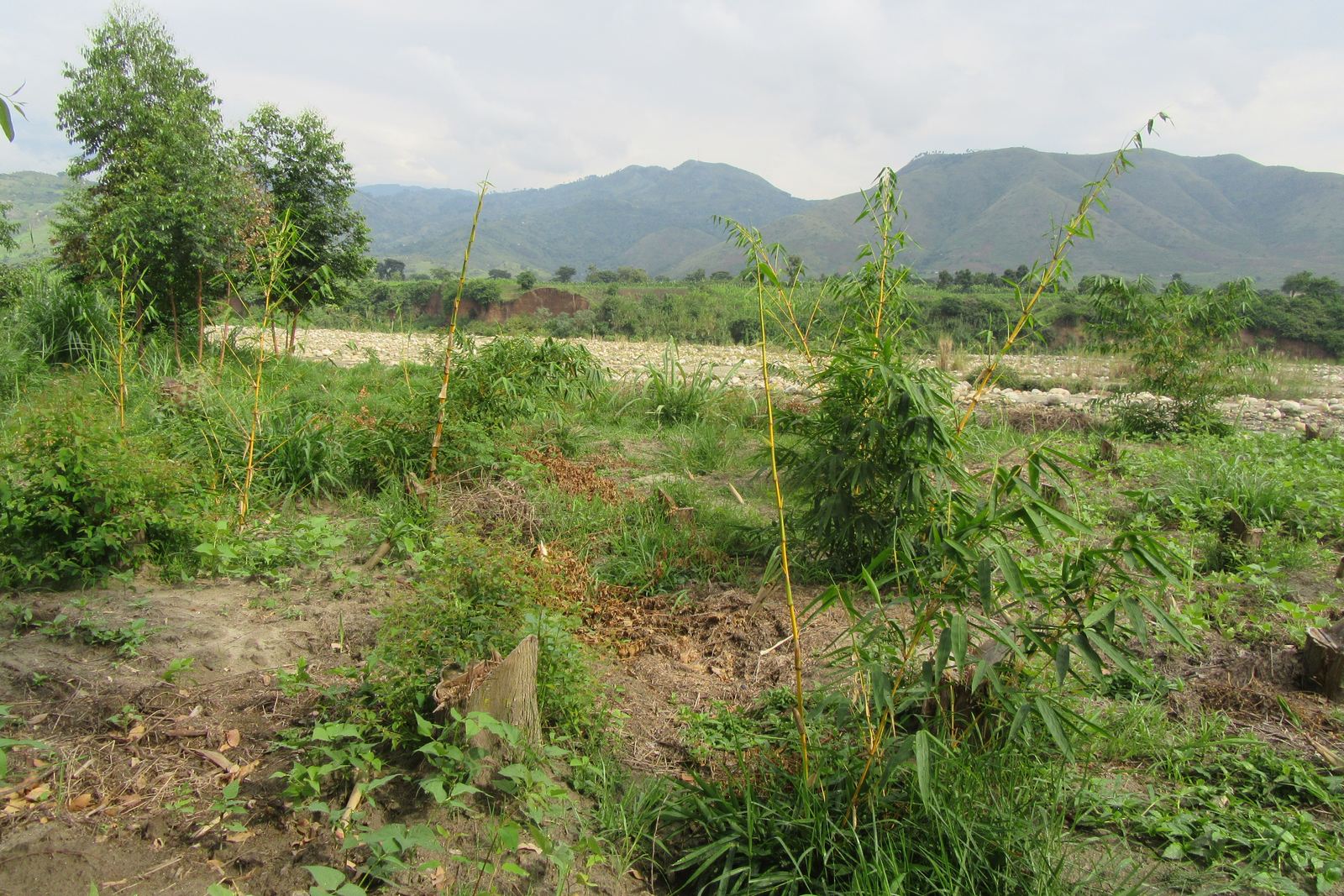
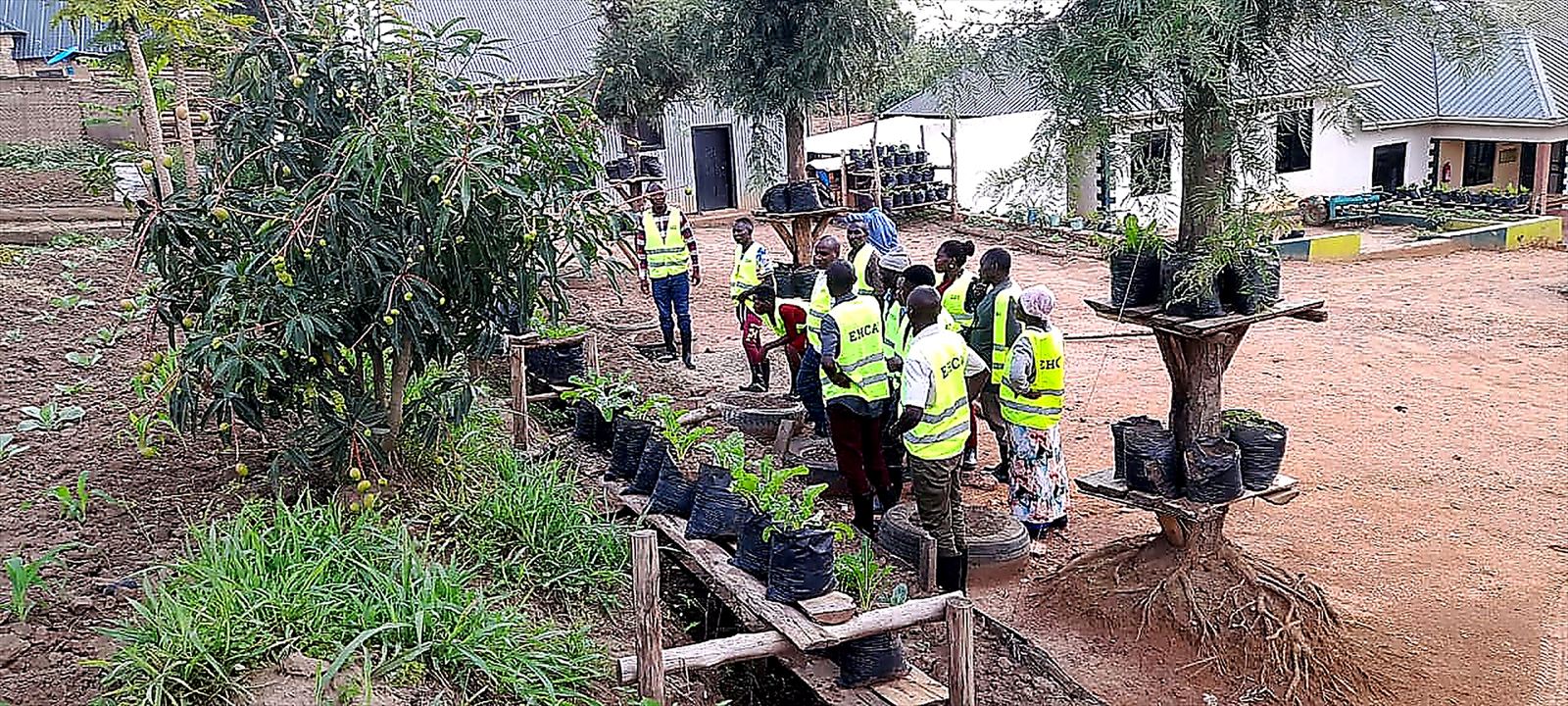
Our conservation work includes growing tree seedlings in community nurseries, planting trees and bamboo along riverbanks, and field visits to community growing areas.
Energy-saving cookstoves have been covered in outdoor community training sessions, where facilitators use printed diagrams to explain the stoves.
We work alongside rural communities to strengthen livelihoods and support practical approaches to local development. Our work includes agricultural learning, sustainable farming practices, community engagement, and efforts to understand local challenges and identify appropriate responses.
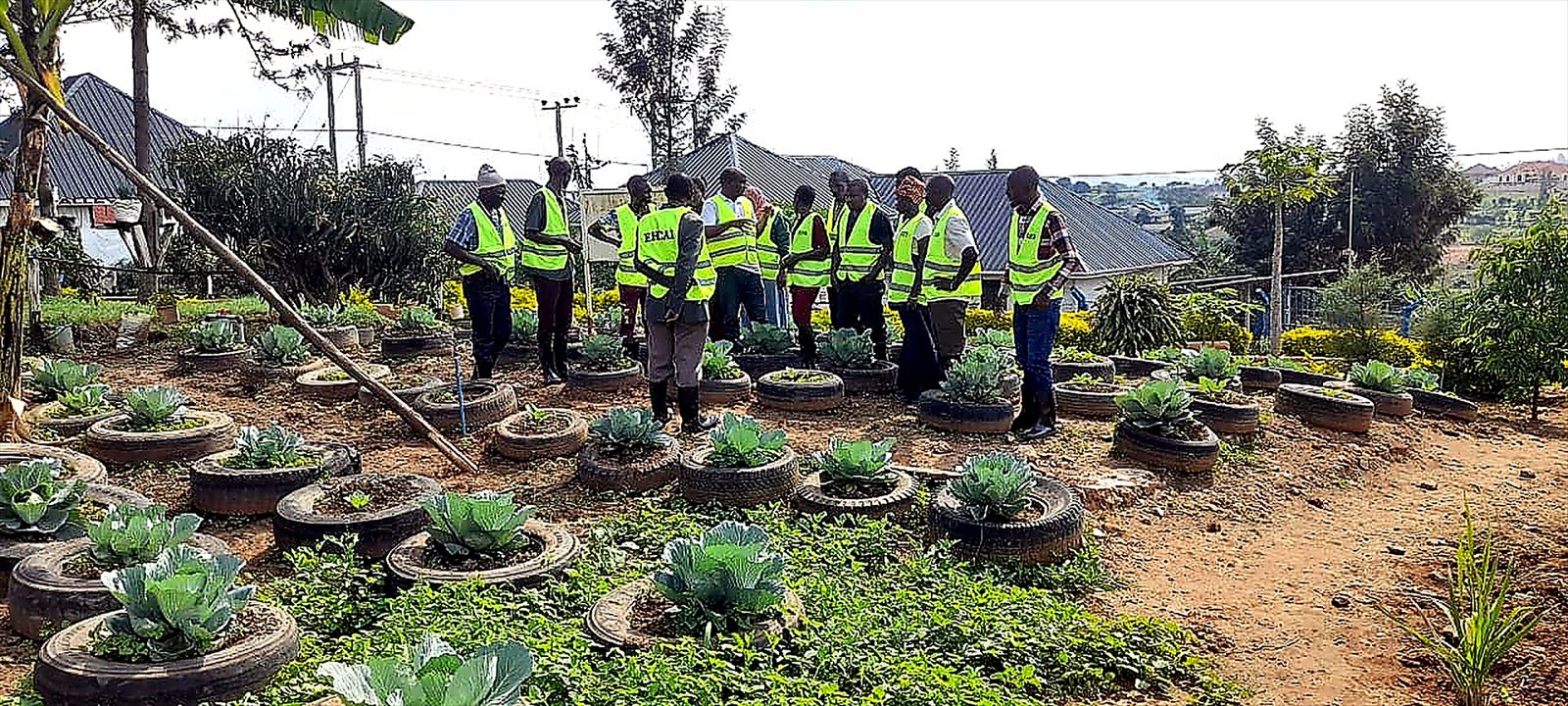
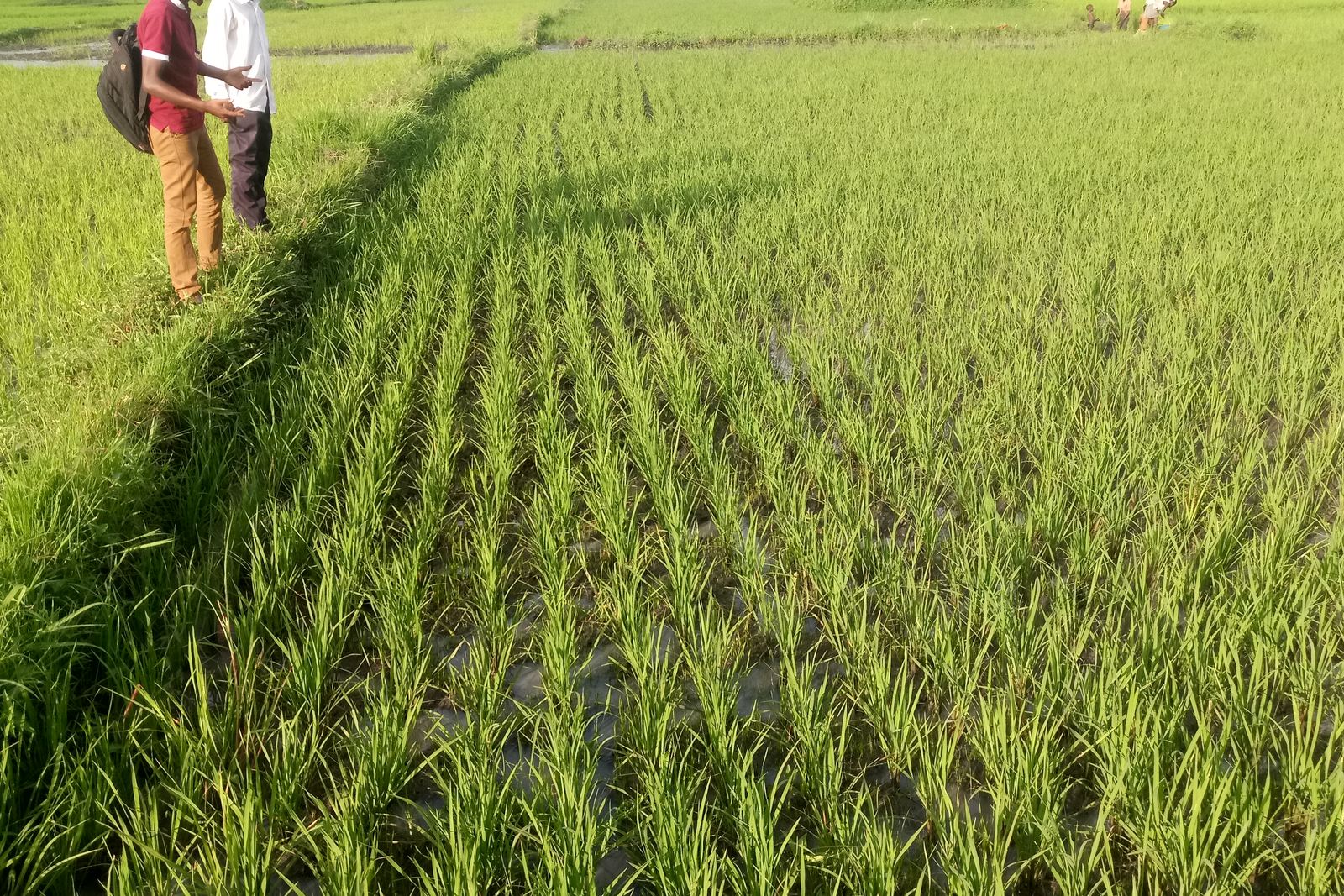
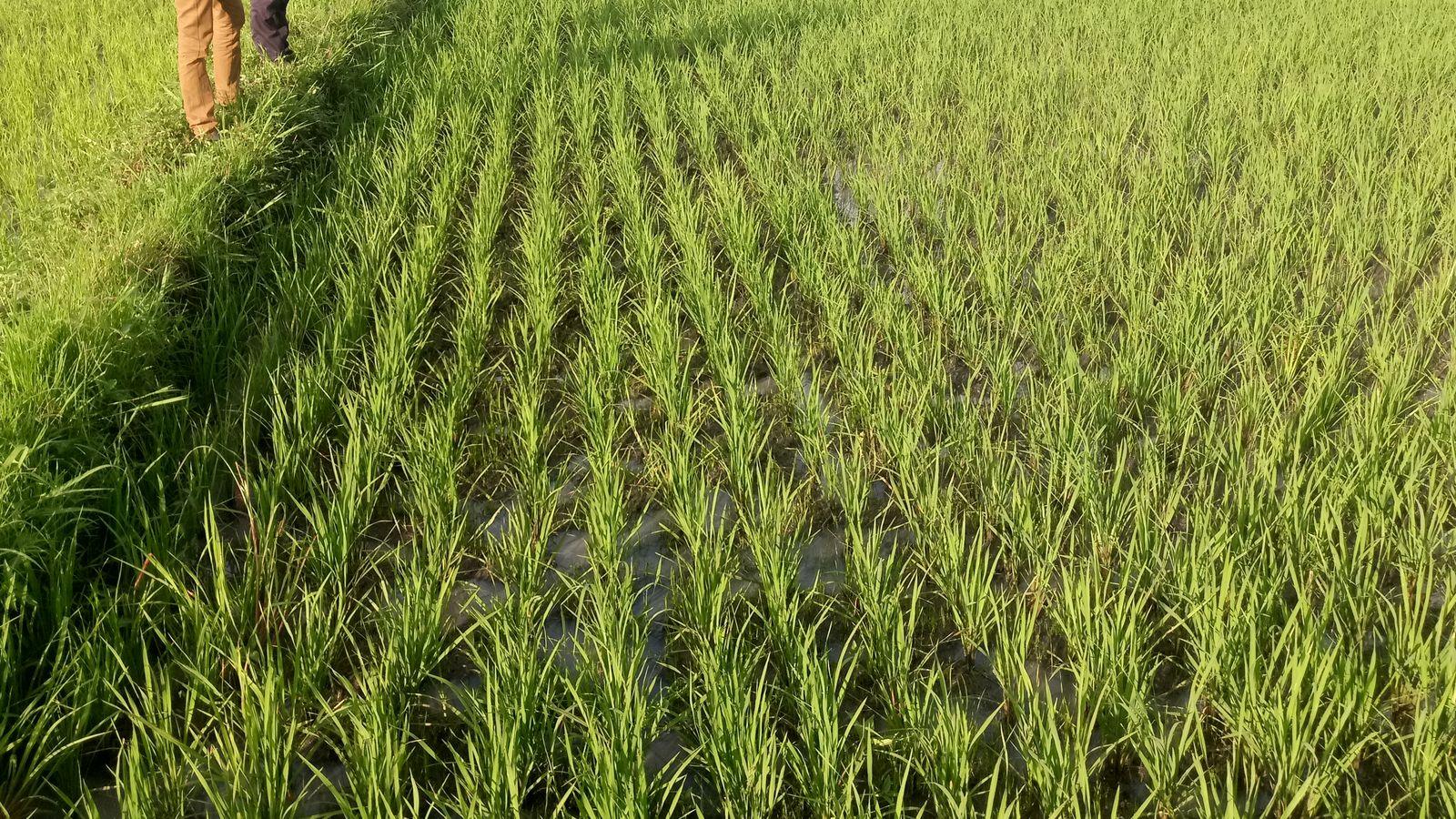
We promote sustainable farming techniques that improve soil health and biodiversity, and support farmers through training and capacity building. Field visits to crops and community growing sites are part of this learning.
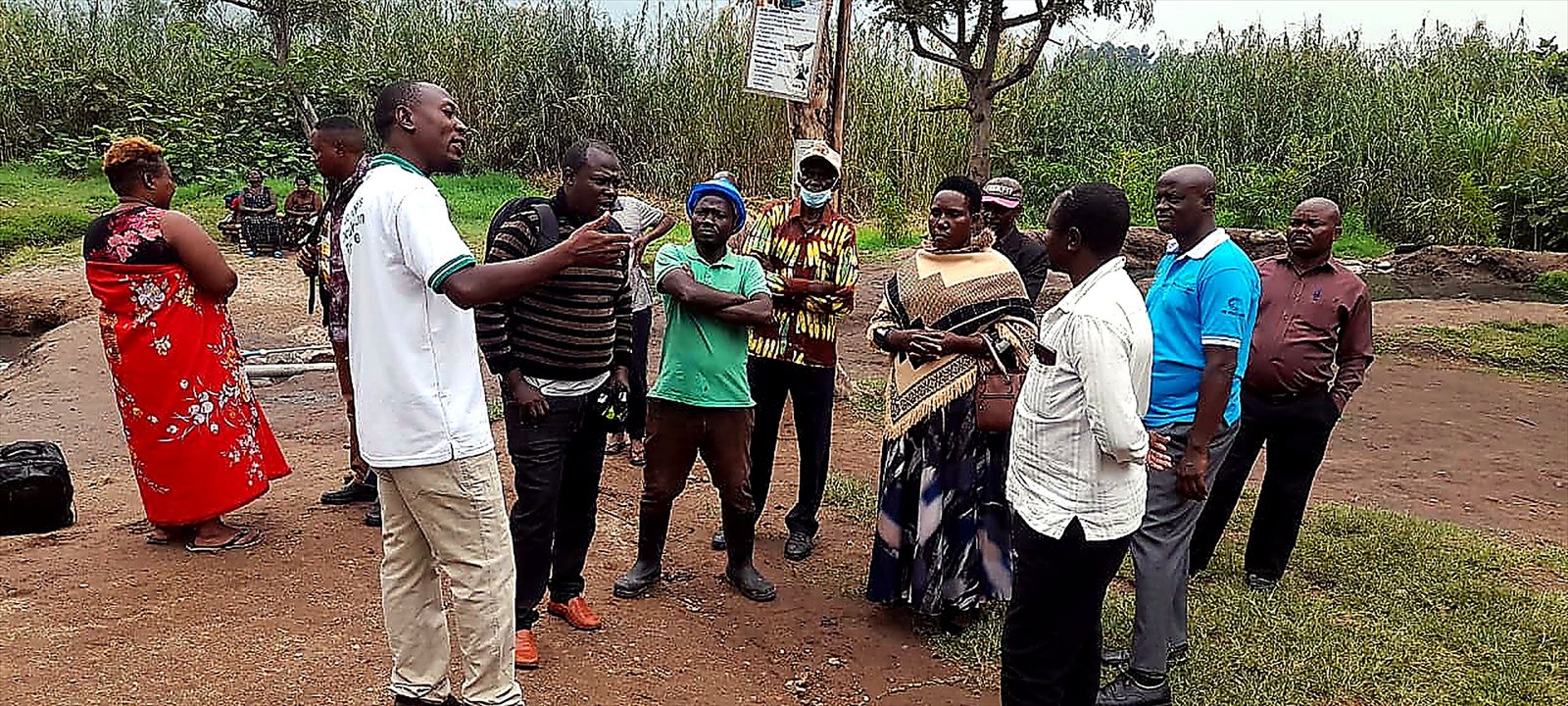
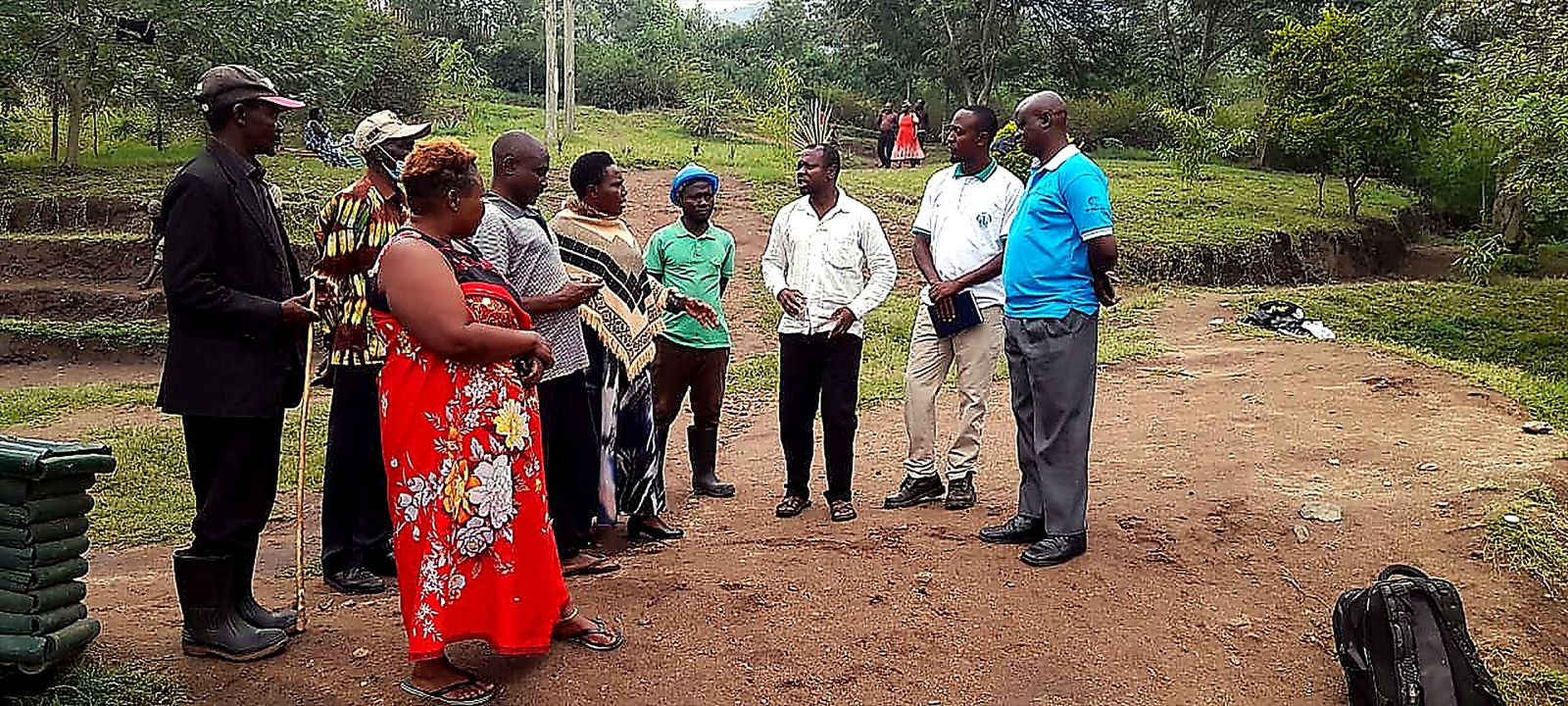
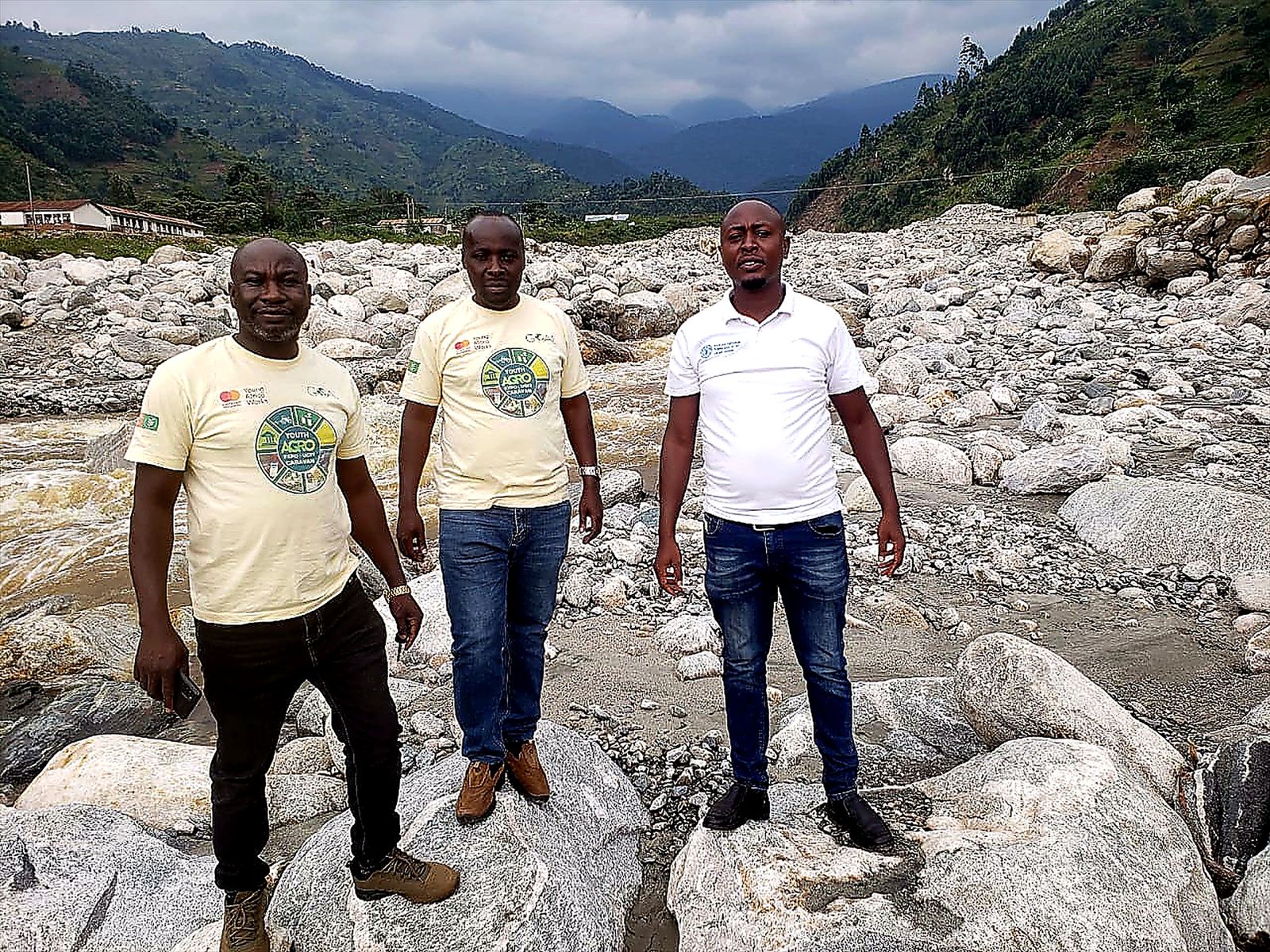
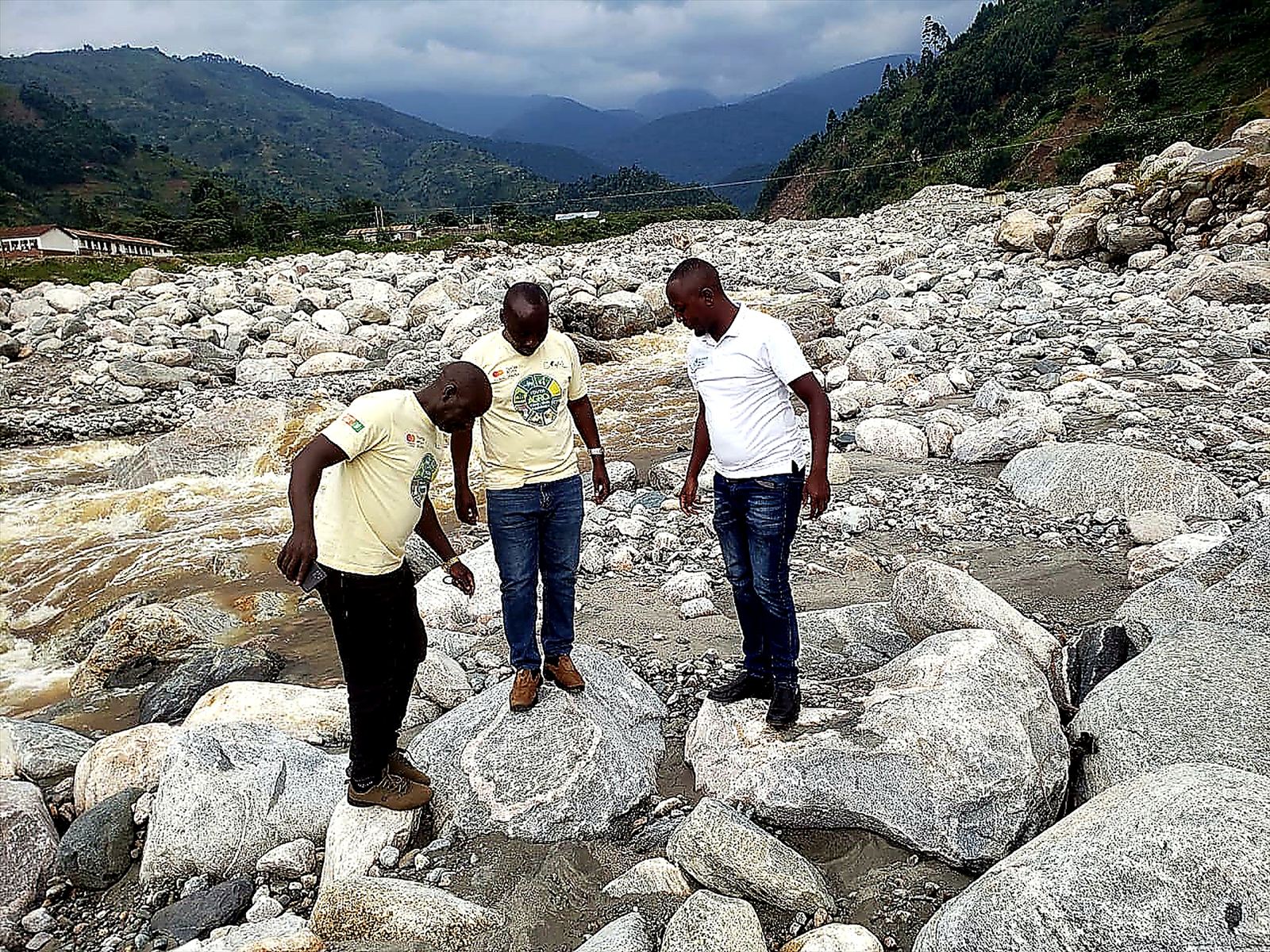
We meet with community members and representatives to understand local priorities. Our field team has assessed areas affected by River Nyamwamba in Kasese District to understand the damage and identify community support needs. These are assessments; they do not describe completed recovery work.
We welcome conversations with communities, government, development partners, the private sector and research institutions.